
Living with chronic pain affects far more than the body. It can affect sleep, mood, work and relationships. Researchers are increasingly interested in whether psychological factors, such as hope, are linked with how people with chronic pain rate their quality of life.
A study published in Quality of Life Research in 2026 explored this question. Researchers in the United States asked 132 adults with chronic pain to complete a short daily diary for 30 days. Everyone in the study was using both prescription opioids and cannabis. The researchers looked at whether feeling hopeful more often on one day was linked with better quality of life the next day.
Key Takeaways:
- The study. 132 adults in the US with chronic pain, who were using both prescription opioids and cannabis, completed a daily diary for 30 days. Each day they rated how often they had felt hopeful, their quality of life and their sleep on the day before.
- People who felt hopeful more often tended to report better quality of life. This was true when comparing different people, and within the same person from one day to the next.
- The day-to-day link was very small. On days when someone felt hopeful more often than usual, their quality of life rating the next day was only slightly higher.
- Better sleep was also linked with better next-day quality of life.
- Using cannabis or opioids on a given day was not linked with quality of life the next day. The authors note that the study may have been too small to detect such a link.
- What it cannot show. This was an observational study. It cannot show that hope causes better quality of life. Other factors, such as day-to-day changes in mood, may explain part of the link.
What is chronic pain?
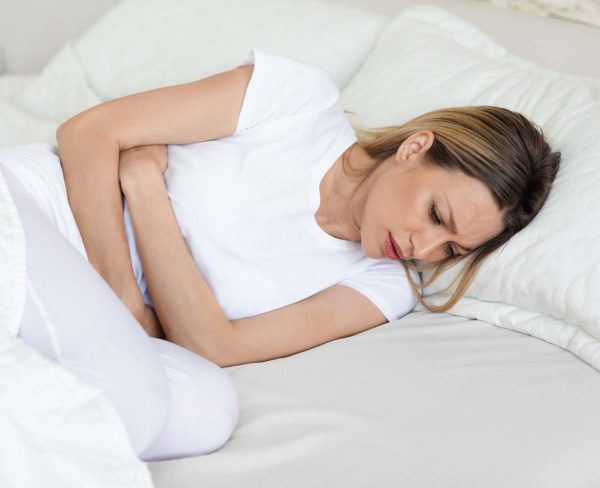
Chronic pain is pain that lasts, or keeps coming back, for more than 3 months. It is very common. A large review estimated that between one-third and one-half of adults in the UK live with chronic pain.
Chronic pain is often described as primary or secondary:
Chronic primary pain has no clear underlying cause, or the pain and distress are out of proportion to any injury or illness. Fibromyalgia is one example.
Chronic secondary pain is caused by another condition, such as osteoarthritis.
People with chronic pain often also have anxiety, depression or poor sleep. Together, these can affect mobility, work, relationships and everyday life.
How is chronic pain usually managed in the UK?
Care depends on the type of pain and how it affects a person’s life. The National Institute for Health and Care Excellence (NICE) guideline on chronic pain (NG193) says care should be planned together by the person and their healthcare professional. It also notes that quality of life can improve even when the pain itself does not change.
For chronic primary pain, NICE recommends:
- Exercise. Supervised group exercise programmes, alongside staying active.
- Psychological therapies. Cognitive behavioural therapy (CBT) or acceptance and commitment therapy (ACT) may be considered.
- Acupuncture. A single short course may be considered in some circumstances.
- Antidepressants. Some antidepressants may be considered after a discussion of benefits and risks. These are used to help with pain, not only low mood.
NICE advises that several medicines should not be started for chronic primary pain. These include opioids, gabapentinoids (such as pregabalin and gabapentin), paracetamol, non-steroidal anti-inflammatory drugs (NSAIDs) and benzodiazepines. This is because there is little evidence that they help, and they may cause harm.
Chronic secondary pain is managed according to guidance for the underlying condition.
What is hope, and why might it matter in chronic pain?
In this study, hope was defined as a forward-looking expectation that something good, meaningful and realistically possible will happen. This definition comes from nursing researcher Kaye Herth, who also developed the Herth Hope Index used in the study.
Researchers have linked hope with better health in several groups of people. For example:
- Older adults. A US study of almost 13,000 adults, with an average age of 66, found that greater hope was linked with fewer chronic health conditions, a lower risk of cancer, fewer sleep problems and better psychological wellbeing over the following years.
- People with chronic pain. A systematic review concluded that hope appears to have a positive impact for people with chronic pain. A larger analysis of 96 studies, including 31,780 people with a range of pain conditions, found that people with more hope tended to report less severe pain.
- People with heart disease. A study of people with coronary artery disease found that hope was closely related to quality of life.
Researchers suggest that hope may help people set and work towards treatment goals, seek care and manage their condition day to day. However, most earlier studies measured hope at a single point in time. Few looked at how hope and quality of life change from day to day in people living with chronic pain. This study set out to address that gap.
What did this study do?
This was an observational study. The researchers recorded what happened in people’s everyday lives. They did not give any treatment, and there was no comparison group.
The study used a method called ecological momentary assessment (EMA). People answered short surveys on a smartphone app as they went about their daily lives. This gives a closer-to-real-time picture than asking people to remember how they felt weeks earlier.
This was a secondary analysis. It used data from a larger study at Johns Hopkins University, which was designed to look at how people with chronic pain use cannabis and opioids together from day to day.
Who could take part?
Adults could take part if they:
- had a current prescription for opioids for pain and had used opioids in the past 7 days
- had received a recommendation for medical cannabis, or had started using cannabis, in the past 30 days
- reported a chronic pain condition, with pain of at least 3 out of 10 on at least 10 days a month for 3 months or longer
- had a smartphone
- lived in one of 11 US states, or Washington DC, where cannabis was legal for adult use
People who reported a severe psychiatric condition, such as schizophrenia, psychosis or dementia, could not take part. Participants were recruited between February and November 2022 through social media and a US non-profit organisation focused on medical cannabis.
What did participants do?
At the start, participants completed an online survey. This covered their background, substance use, pain, quality of life, hope and mood. It included:
- Quality of life. Two questions from the World Health Organization Quality of Life questionnaire (WHOQOL-BREF), on overall quality of life and satisfaction with health. Scores were converted to a scale of 0 to 100, where higher is better.
- Hope. The Herth Hope Index, a 12-item questionnaire. Scores range from 12 to 48, where higher means more hope.
- Pain. The Graded Chronic Pain Scale-Revised. This groups people by pain intensity and how much pain limits daily activities. Grades range from 0 (chronic pain absent) to 3 (high-impact chronic pain).
- Depression. The Patient Health Questionnaire-9 (PHQ-9), scored from 0 to 27, where higher means more severe symptoms.
For the next 30 days, participants completed a short diary each day about the day before. They rated:
- how often they had felt hopeful, from 1 (never) to 7 (always)
- their quality of life, from 1 (very poor) to 5 (very good)
- how satisfied they were with their sleep, from 1 to 5
- whether they had used alcohol, cannabis or opioids (yes or no)
They also rated their current pain from 0 to 10 at 4 random times each day. These ratings were averaged to give a daily pain score.
Who took part?
Of 207 people who were eligible, 132 completed the full 30 days and were included in the analysis.
The average age was 42.7 years.
- 77 (58.3%) were men and 55 (41.7%) were women.
- 84 (63.6%) were non-Hispanic White, 30 (22.7%) were non-Hispanic Black and 18 (13.6%) were Hispanic, Latino or another ethnicity.
- In the 30 days before the study, participants used opioids on 19.4 days and cannabis on 14.7 days, on average.
- The average quality of life score was 49.0 out of 100. The average hope score was 37.4 out of 48. The authors described both as moderate.
- 79 people (59.8%) had high-impact chronic pain (grade 3), and 38 (28.8%) had mild or bothersome chronic pain (grades 1 and 2). 15 (11.4%) were graded as having no chronic pain at the start, even though everyone had reported a chronic pain condition to take part.
What did the daily diaries show?
Participants completed 3,577 daily diaries in total.
- Quality of life. The most common ratings were 4, “good” (1,684 diaries, 47.1%), and 3, “neither poor nor good” (1,096 diaries, 30.6%).
- Hope. The most common ratings were 4 (813 diaries, 22.7%), 5 (885 diaries, 24.7%) and 6 (710 diaries, 19.8%) on the 7-point scale.
- Sleep. The most common rating was 4, “satisfied” (1,606 diaries, 44.9%).
- Substance use. Cannabis use was reported on 2,042 days (57.1%) and opioid use on 2,388 days (66.8%). No alcohol use was reported on 2,915 days (81.5%).
- Pain. The average daily pain score was 4.0 out of 10.
Hope and quality of life went up and down from day to day. Some people’s ratings stayed very steady. Others changed a lot. Just over half of the differences in hope and quality of life were due to differences between people. The rest were due to changes within the same person over time.
Was hope linked with quality of life?
Yes. Feeling hopeful more often was linked with better quality of life the next day. The researchers looked at this in two ways.
Between people. People who felt hopeful more often, on average across the 30 days, tended to rate their quality of life higher. For every 1 point higher a person’s average hope rating was on the 7-point scale, their next-day quality of life was about 0.24 points higher on the 5-point scale.
Within the same person. On days when someone felt hopeful more often than was usual for them, their quality of life the next day was slightly higher. This link was very small. For every 1 point that hope rose above a person’s usual level, next-day quality of life was about 0.04 points higher on the 5-point scale.
Both links were held after the researchers took account of other factors. These included quality of life and sleep on the day before, daily pain, daily alcohol, cannabis and opioid use, age, sex, ethnicity, education, and hope and quality of life at the start.
Some other findings related to hope:
- People with higher hope and quality of life scores at the start also tended to have better quality of life across the 30 days.
- How much a person’s hope went up and down from day to day was not linked with their quality of life.
- The link between daily hope and quality of life was similar regardless of people’s sex, ethnicity, pain severity, hope at the start, or how often they used cannabis or opioids.
What else was linked with next-day quality of life?
- Quality of life the day before. This was the strongest link. People who rated their quality of life highly on one day tended to do so the next day too.
- Sleep. Being more satisfied with sleep was linked with slightly better quality of life the next day.
- Pain. Higher pain the day before was linked with slightly lower quality of life the next day. However, this link was not statistically significant. This means it could have been due to chance.
- Cannabis, opioids and alcohol. Using cannabis, opioids or alcohol on a given day was not linked with quality of life the next day.
The authors say the finding on cannabis and opioids may seem surprising. They point to reviews of clinical trials that also found little or no improvement in quality of life with opioids or cannabinoids for chronic pain. They suggest that quality of life may depend more on how much pain interferes with daily life, and on mood, than on medicine use alone.
They also note that cannabis and opioid use were recorded only as yes or no, without information on dose or product. The study may also have been too small to detect a link.
How big were these effects?
The links between hope and quality of life were small, especially from one day to the next. The authors note that even small improvements in quality of life may matter to people living with a long-term condition such as chronic pain. The study did not look at what size of change people would notice in their daily lives.
What are the limitations of this study?
The authors point out several important limitations:
- It cannot show cause and effect. This was an observational study. It shows that hope and quality of life tend to go together, not that one causes the other.
- Mood was only measured once. Depression is linked with both low hope and poor quality of life. It was measured only at the start, not each day. Day-to-day changes in mood may explain part of the link between hope and quality of life.
- Other factors were not measured. These include social support, religious beliefs, income, employment and health insurance.
- A specific group of people. Everyone was using both opioids and cannabis, lived in the US and was recruited mainly through social media. There was no comparison group of people using only one, or neither. The results may not apply to other people with chronic pain, including people in the UK.
- Single-question measures. Hope and quality of life were each measured with one daily question. This keeps the diary short but may not capture everything these ideas involve.
Who took part. People who choose to join and complete a 30-day diary study may differ from those who do not. - Limited detail on substance use. Cannabis and opioid use were recorded as yes or no, with no information on dose, strength or type of product.
- No sample size calculation for this question. This was a secondary analysis of a study designed for a different purpose. Findings of no link, such as for cannabis and opioid use, should be interpreted with caution.
What does this study mean, and what does it not mean?
In this group of 132 people in the US using opioids and cannabis for chronic pain, feeling hopeful more often was linked with better quality of life the next day. The link was seen both between people and within the same person over time. Better sleep was also linked with better quality of life. Daily cannabis and opioid use were not.
The findings fit with earlier research linking hope with better wellbeing in people with long-term health conditions. The authors suggest that supporting hope could be a useful part of care for people with chronic pain.
The study does not show that increasing hope will improve quality of life. It did not test any way of increasing hope. It was also not designed to test whether cannabis or opioids improve quality of life.
Frequently Asked Questions
Is hope linked with quality of life in people with chronic pain?
Yes, in this study. Among 132 adults in the US with chronic pain, people who felt hopeful more often reported better quality of life the next day. The link within the same person from day to day was very small. Because this was an observational study, it cannot show that hope causes better quality of life.
Was cannabis use linked with quality of life in this study?
No. Using cannabis or opioids on a given day was not linked with quality of life the next day. The authors note that substance use was only recorded as yes or no, and the study may have been too small to detect a link. The study was not designed to test whether cannabis improves quality of life.
Was sleep linked with quality of life?
Yes. People who were more satisfied with their sleep on one day reported slightly better quality of life the next day. This fits with other research showing that poor sleep is common in chronic pain and is linked with poorer quality of life.
How is chronic pain usually treated in the UK?
NICE guidance for chronic primary pain recommends supervised group exercise, and that psychological therapies such as CBT or ACT, acupuncture or an antidepressant may be considered. NICE advises against starting opioids, gabapentinoids, paracetamol, NSAIDs or benzodiazepines for chronic primary pain. Chronic secondary pain is managed according to the underlying condition. Your GP can explain which options may suit you.
Can medical cannabis be prescribed for chronic pain in the UK?
In some cases. Since November 2018, specialist doctors on the General Medical Council (GMC) Specialist Register have been able to prescribe medical cannabis. This is usually considered only when licensed treatments have not helped or are not suitable.
Most medical cannabis is unlicensed. NICE guidance (NG144) recommends that CBMPs are not offered to manage chronic pain in adults, other than cannabidiol (CBD) as part of a clinical trial. As a result, they are not routinely available on the NHS for chronic pain, and most people who are prescribed them receive treatment privately.
What can I do if chronic pain is affecting my quality of life?
Speak to your GP. They can review your treatment and talk to you about pain management services, exercise and psychological support. Charities such as Pain UK and the British Pain Society also offer information and support.
Who carried out the study?
The study was carried out by researchers at Johns Hopkins University and other universities in the US, South Korea and Australia. It was funded by the US National Institute on Drug Abuse. Curaleaf Clinic was not involved in the study.
Considering your treatment options?
Chronic pain can affect every part of life. If you are thinking about a different approach, speak to your GP or pain specialist first. Do not stop or change any prescribed medicine, including opioids, without medical advice. Pain UK and the British Pain Society can also offer information and support.
Medical cannabis for chronic pain is unlicensed in the UK. A specialist doctor may consider it only after a full assessment of your medical history and previous treatments. To find out whether a specialist consultation may be appropriate for you, you can complete Curaleaf Clinic’s online eligibility check. Any decision about treatment is made by a specialist doctor on an individual basis.