Back Pain and Medical Cannabis: The Facts
80%
of people experience back pain in their lifetime. [1]
51%
of private medical cannabis prescriptions are for patients with pain conditions such as back pain. [2]
What Causes Back Pain?
Back pain can happen for many different reasons. Sometimes it follows an injury or strain. Other times there may be no single clear cause, and symptoms improve on their own over a few weeks.
In many cases, back pain is linked to problems with the muscles, joints, discs or bones that make up the spine. These are known as musculoskeletal causes.
It is important to see a doctor if your pain is severe, lasts a long time, or comes with other symptoms such as numbness or difficulty with bladder or bowel control. These could be signs of a more serious condition.
What Causes Lower Back Pain?
Lower back pain is the most common type. It can result from a wide range of issues affecting the spine and the tissues around it. Common causes of lower back pain include:
- Injury or strain to muscles and ligaments
- Problems with spinal joints or vertebrae
- Herniated (prolapsed) intervertebral discs
- Arthritis affecting the spine
- Spinal fractures
- Kidney stones or kidney infections
- Abdominal aortic aneurysm
- Endometriosis
- In rare cases, cancer or infection
What Causes Upper Back Pain?
- Muscle strain or overuse.
- Injury to spinal joints, vertebrae, or soft tissues.
- Herniated discs in the thoracic spine.
- Shingles (a viral infection).
- Spinal fractures.
- Infections or inflammatory conditions.
- Thoracic aortic aneurysm.
- In rare cases, cancer
What are the Different Types of Back Pain?
Back pain is typically classified based on how long it lasts:
- Acute back pain – develops suddenly and lasts less than 6 weeks
- Subacute back pain – lasts between 6 and 12 weeks
- Chronic back pain – persists for longer than 12 weeks or occurs repeatedly
Understanding the type of back pain can help guide appropriate treatment and management options
What are the Symptoms of Back Pain?
The symptoms of back pain can vary depending on the cause, but they usually affect how you move and how comfortable you feel during everyday tasks. Common symptoms include:
- Pain when lifting, bending, or moving
- Pain that worsens with prolonged sitting or standing
- Pain that comes and goes
- Stiffness, especially after waking or long periods of inactivity
- Pain that radiates to other areas, such as the legs (sciatica)
Symptoms may range from mild discomfort to severe, persistent pain that impacts quality of life.
How is Back Pain Diagnosed?
A doctor will usually start by asking about your symptoms, how long you have had them, and whether anything makes them better or worse. They may carry out a physical examination to check your posture, range of movement and spinal alignment.
In many cases, no further tests are needed. However, if a more serious condition is suspected, your doctor may arrange blood tests, X-rays, or MRI or CT scans to help find the underlying cause.
Treatment Options for Back Pain
Treatment for back pain usually starts with simple, non-invasive approaches. If these are not enough, a doctor may suggest other options.
- Staying active and physiotherapy: Gentle exercise can help prevent stiffness and keep muscles strong. A physiotherapist can put together a programme of stretches and exercises tailored to your needs.
- Pain relief medicines: Over-the-counter options such as paracetamol and anti-inflammatory medicines (like ibuprofen) are often used. In some cases, a doctor may prescribe stronger pain relief for short-term use.
- Specialist care: If standard treatments have not helped, patients may be referred for further assessment. This could include options such as injections, psychological support, or alternative approaches under specialist supervision. Medical cannabis may also be considered at this point for suitable patients.
Back pain management is always tailored to the individual. The right approach depends on the type and severity of your pain, your overall health, and how you have responded to previous treatments. Speak to your GP or specialist for personalised advice.
How does Back Pain Affect People?
When back pain becomes chronic, it can affect much more than physical comfort. Ongoing pain may make it harder to walk, bend, lift, sit for long periods, carry out work or household tasks, or take part in social or physical activities.
Chronic pain can also affect mental health and sleep. It may contribute to conditions such as Anxiety and Depression, while disrupted sleep can further worsen symptoms and quality of life.
For many people, finding an effective and sustainable treatment can take time. If standard approaches are not sufficient, patients may explore alternative options such as medical cannabis under specialist guidance.
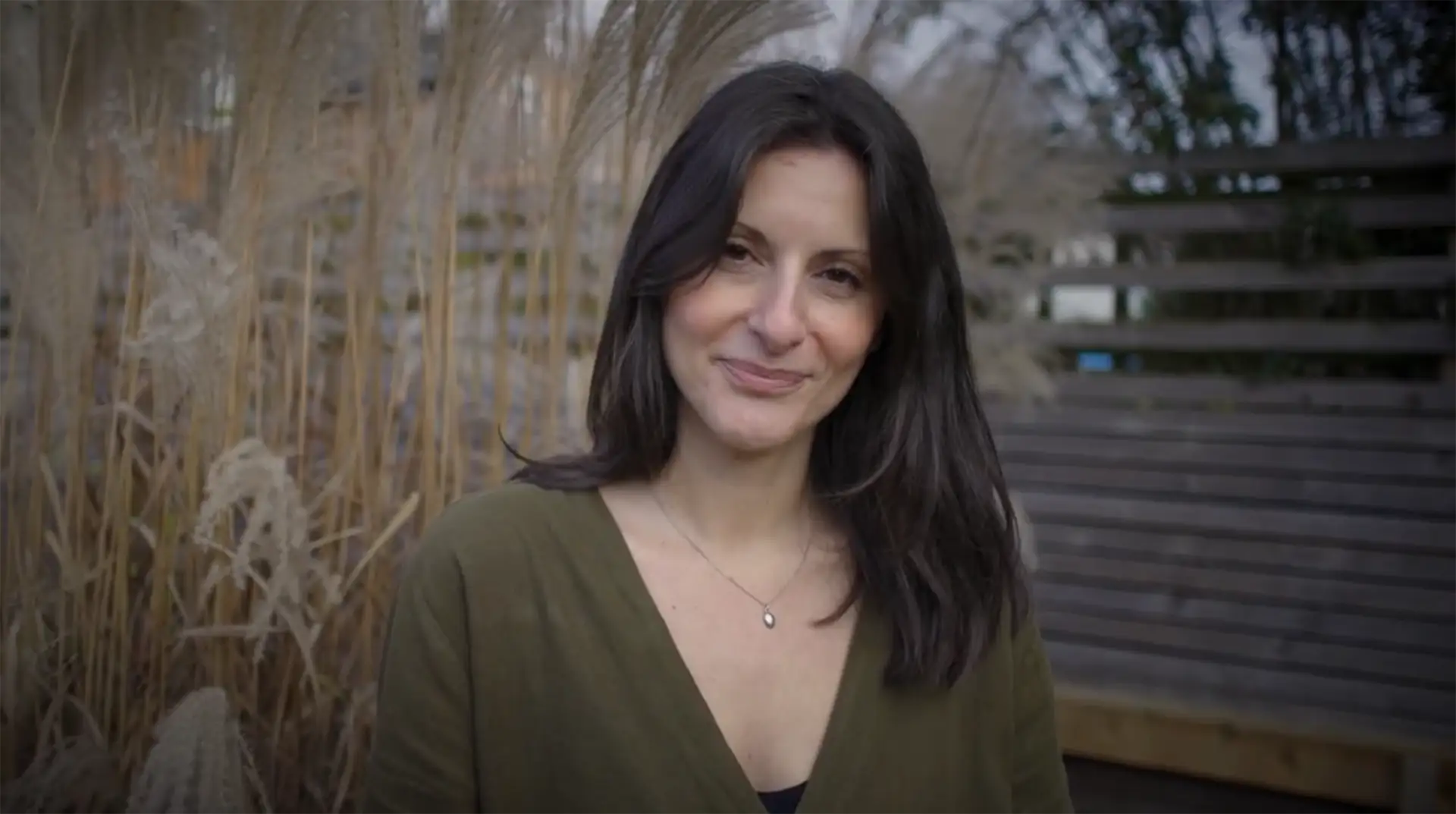
Hear from Fatma, a Curaleaf Clinic patient, as she shares her experience living with chronic pain.
To hear from more patients visit our testimonials page.
Medical Cannabis for Back Pain
Traditional treatments, including lifestyle changes, physiotherapy, and medication, remain the cornerstone of back pain management.
Since 2018, medical cannabis has been legal in the UK when prescribed by a specialist doctor. Eligible patients with chronic back pain may be able to access treatment through private clinics.
Research Regarding Medical Cannabis and Back Pain
Research into the role of medical cannabis in chronic pain management is still developing. While more high-quality studies are needed, a growing number of trials and real-world data sources are adding to the evidence base.
Clinical Trial Evidence
A large randomised controlled trial investigated the effects of a standardised cannabis-based preparation in patients with chronic low back pain. The study reported statistically significant reductions in pain scores compared with placebo over a twelve-week period. Participants also reported improvements in sleep quality and physical function. Because this trial compared treatment directly against a placebo, it provides a stronger level of evidence than observational studies alone.
Real-World Observational Data
Alongside clinical trials, researchers have examined how medical cannabis is used in everyday clinical practice. One study explored how edible cannabis-based products affected patients with chronic low back pain. It found that products with higher concentrations of certain cannabinoids were associated with short-term improvements in pain during use, and that different cannabinoid profiles may influence how long the effects last.
The UK Medical Cannabis Registry (UKMCR) collects outcome data from patients prescribed medical cannabis in routine clinical settings. Published findings from the registry suggest that many patients with chronic pain conditions reported improvements in pain levels, sleep and quality of life over time.
The Endocannabinoid System and Back Pain
The body has a system called the endocannabinoid system (ECS), which plays a role in regulating pain, inflammation and immune function. This system includes two main types of receptors:
- CB1 receptors – found mainly in the brain and nervous system, these are thought to help regulate how pain signals are processed.
- CB2 receptors – found mainly in the immune system, these are associated with the body’s inflammatory response and may play a role in chronic pain.
Cannabinoids found in cannabis, such as tetrahydrocannabinol (THC), interact with these receptors. Researchers are studying how these interactions could relate to the management of pain, though more work is needed to understand the mechanisms fully.
What Are the Possible Side Effects?
Most side effects reported by patients using medical cannabis are mild to moderate. They can vary depending on the dose, the type of product and individual factors such as tolerance and overall health.
Data from the UK Medical Cannabis Registry recorded 857 adverse events among patients with chronic pain. The most commonly reported side effects included fatigue, drowsiness and dry mouth. Other possible side effects may include dizziness, changes in appetite or difficulty concentrating.
Treatment is typically started at a low dose and adjusted gradually. A specialist will work with you to find the right approach and help minimise any side effects
Can I be Prescribed Medical Cannabis for Back Pain?
Medical cannabis is not a first-line treatment for back pain and may not be suitable for everyone. However, if conventional treatments have not been effective or well tolerated, it may be considered as part of a specialist-led treatment plan.
If you are interested in finding out whether medical cannabis could be appropriate for your situation, you can complete an eligibility assessment with Curaleaf Clinic to determine whether you may be suitable for a consultation. Your medical records will be reviewed and, if suitable, you may be invited to a consultation with a specialist experienced in managing chronic pain.
This process helps ensure that any treatment recommended is safe, appropriate, and tailored to your individual needs.
References
[1] British Association of Spine Surgeons (2019). Acute Back Pain. Available at: https://spinesurgeons.ac.uk/Acute-Back-Pain
[2] Burns, C. (2025). Cannabis could be effective for chronic lower back pain, phase III trial results suggest. The Pharmaceutical Journal. Available at: https://pharmaceutical-journal.com/article/news/cannabis-could-be-effective-for-chronic-lower-back-pain-phase-iii-trial-results-suggest