
What is PTSD?
PTSD was previously classified as an anxiety disorder, but is now considered in its own separate category of trauma- and stressor-related disorders. It may develop following a traumatic experience. People living with PTSD may experience recurring nightmares or flashbacks, alongside feelings of guilt, irritability, or emotional detachment. Symptoms can also include insomnia and problems with concentration, which may significantly affect daily life.
PTSD and Medical Cannabis: The Facts
48%
of UK veterans have been diagnosed with a mental health condition such as PTSD, anxiety or depression [1]
33%
of people who experience trauma may go on to develop PTSD [2]
What Causes PTSD?
There is no one cause for PTSD, however, it is typically due to exposure to traumatic events ‘outside the range of normal human experience’. Not every individual who is exposed to a traumatic event will develop PTSD.
There are an unknown number of events which may lead to the development of PTSD. These include, but are not limited to:
- Being involved in a car crash
- Experiencing violence such as military combat, acts of terror, domestic abuse or other physical assault
- Experiencing abuse, whether sexual, bullying, harassment (including racism, sexism, homophobia, transphobia or other identity-based abuse)
- Being raped or sexually assaulted
- Death of a loved one
- Witnessing something traumatic
- Work-based trauma such as that experienced by those in the emergency services and military
- Diagnosis of a life-threatening/altering condition
People with other mental health conditions or with limited social support groups may be at an increased likelihood of developing PTSD compared to others.
What are the Symptoms of PTSD?
The most typical symptom of PTSD is re-living or re-experiencing the traumatic event in the form of flashbacks and/or nightmares. Other symptoms of PTSD include but are not necessarily limited to:
- Repetitive visions or sensations: recollections of the event which may include physical sensations such as pain, sweating, nausea or shaking.
- Difficulty Sleeping: a person with PTSD may experience night terrors and/or insomnia.
- Avoidance: The sufferer may avoid certain locations or people that act as reminders of the event and may not speak of the event to push it to the back of their mind. Avoiding reminders of the event is sometimes used as a coping mechanism though it is not considered a healthy way to manage PTSD.
- Feeling ‘on edge’: A person living with PTSD may feel very anxious and ‘jumpy’. They are constantly aware of potential threat, even where there is none, and are easily startled. The clinical term for this is ‘hyperarousal’ and it can lead to irritability, anger and angry outbursts, poor sleep, and difficulty concentrating.
What is Complex PTSD?
Complex PTSD, or C-PTSD, has additional symptoms to the regular signs of PTSD which may include:
- A lack of control over one’s emotions
- Feelings of anger or distrust towards the world and those in it
- Persistently feeling empty or hopeless
- Believing oneself to be damaged or worthless
- A loss of friendships or relationships through avoidance
- Feeling disconnected from oneself and the world around them (dissociative symptoms)
- Physical symptoms such as headaches, dizziness, chest pains, and stomach aches
- Sufferers may feel as if they are completely different to other people and like nobody can understand them
- Some may also experience feelings related to suicide or self-harm
How is PTSD Diagnosed?
PTSD is diagnosed by a trained healthcare professional, usually following a detailed assessment of a person’s symptoms and experiences. This often includes discussing a traumatic event, how symptoms are affecting daily life, and how long they have been present.
After a traumatic event, it is normal to feel distressed, upset, or confused, and many people experience short-term stress reactions. However, if symptoms such as flashbacks, anxiety, or sleep disturbance persist for four weeks or more, this may indicate PTSD, and it is important to seek professional support.
In the UK, an initial assessment is often carried out by a GP. Some GPs may feel comfortable to make a diagnosis, but in many cases, a referral to a mental health specialist with experience in PTSD is needed. This may involve referral to an NHS community mental health team, or assessment through private healthcare.
How does PTSD Affect People?
PTSD can affect people in different ways, but for many, symptoms such as anxiety, emotional distress, and feelings of isolation can have a significant impact on daily life. Some individuals may find it harder to maintain relationships, concentrate at work, or engage in activities they once enjoyed. For people living with complex PTSD (C-PTSD), these challenges may be more persistent and wide-ranging.
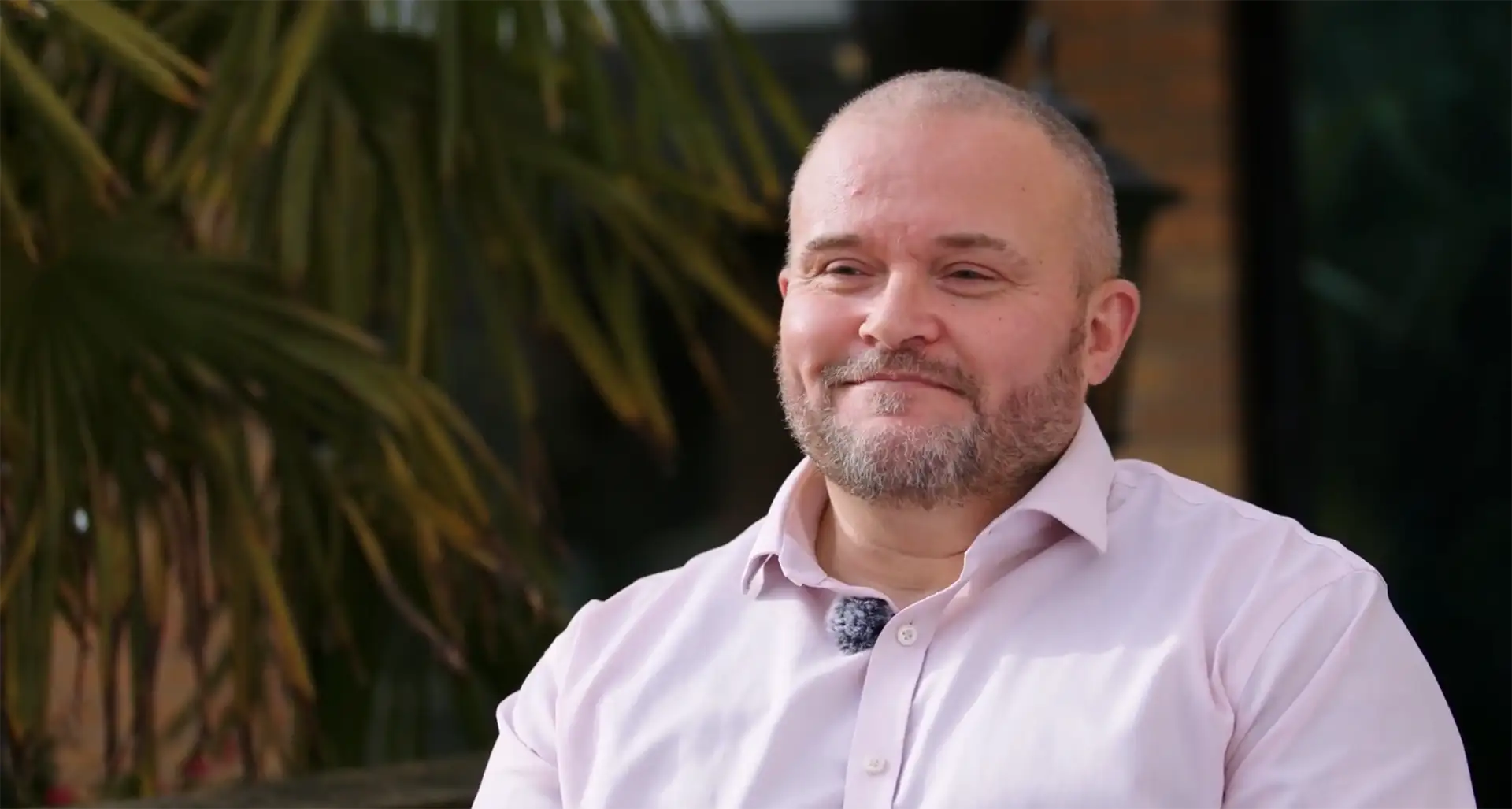
"It affected the way I think, the way I feel - it was like a dark cloud continually. For me, life with medical cannabis is calmer, contented, and peaceful"
Treatment Options for PTSD
The main treatments for PTSD typically include talking therapies and prescribed medication. Trauma-focused psychological therapies are often recommended, such as trauma-focused cognitive behavioural therapy (CBT) and eye movement desensitisation and reprocessing (EMDR).
Medications may also be prescribed, most commonly antidepressants such as selective serotonin reuptake inhibitors (SSRIs), to help manage symptoms.
For some people, these treatments may not provide sufficient relief or may not be suitable. In these cases, medical cannabis may be considered as part of an individual treatment plan, under the care of a specialist clinician.
Can Medical Cannabis Help with PTSD?
PTSD can involve persistent, debilitating symptoms such as heightened anxiety, disturbed sleep, nightmares, and increased sensitivity to stress. For some people, these symptoms may continue despite first-line treatments such as talking therapies and standard medications.
In certain cases, specialist clinicians may consider medical cannabis as an additional treatment option, particularly where symptoms like sleep disturbance or anxiety remain difficult to manage. This decision is always made on an individual basis, considering a person’s symptoms, previous and ongoing treatments, and overall health.
While research into medical cannabis and PTSD specifically is still developing, ongoing studies are exploring its potential role in symptom management. As with any treatment, responses can vary, and medical cannabis is not suitable for everyone.
Research Regarding Medical Cannabis and PTSD
Clinical evidence on the use of medical cannabis for PTSD remains limited, and further research is needed. However, data from the UK Medical Cannabis Registry offers insight into how some patients with PTSD experience changes in symptoms over time while receiving prescribed medical cannabis as part of their care at Curaleaf Clinic.
One published Registry analysis followed 267 patients diagnosed with PTSD who were prescribed medical cannabis. Patient-reported outcomes were collected using the Impact of Event Scale–Revised (IES-R), alongside measures of mood and quality of life, at regular follow-ups at 1, 3, 6, 12 and 18 months [3].
Patients reported changes across a range of PTSD-related symptoms, including intrusive thoughts, sleep, anxiety, mood, and their ability to carry out everyday activities. Changes in symptoms of anxiety and sleep quality were also reported during the follow-up period.
Although the limitations of the study design cannot prove that medical cannabis was the cause of the changes seen in these individuals, this data reflects real patient experiences within clinical care. This helps to build understanding of how medical cannabis is used and tolerated over time for people living with PTSD.
Can I be Prescribed Medical Cannabis for PTSD?
Medical cannabis may be considered for some people with PTSD when first-line treatments, such as talking therapies or standard medications, have not provided sufficient benefit or have caused difficult side effects.
In the UK, access to medical cannabis through the NHS for PTSD is very limited, meaning most patients who are prescribed medical cannabis receive care through private clinics. Prescribing can only be carried out by specialist doctors listed on the GMC’s Specialist Register, following a full clinical assessment.
Free of Charge Appointments for UK Veterans
As part of our commitment to supporting those who have served, UK armed forces veterans are eligible for up to five free appointments each year with Curaleaf Clinic.
If you have tried conventional treatments without sufficient benefit, you can register online to check your eligibility for a consultation. When completing the form, please select “UK HM Veteran.”
After submitting your application and any relevant GP or specialist records, you will be asked to email proof of service, such as a veteran ID card or discharge documentation, to [email protected].
If you are eligible for a consultation, you will receive a confirmation code by email, which can then be used to book your free appointments.