
What is ADHD?
ADHD is a neurodevelopmental disorder that affects people’s behaviour. ADHD can impact the brain’s ability to regulate attention and focus.
It is usually diagnosed in the early stages of life, however, there are a growing number of individuals who are being diagnosed with ADHD in adulthood. ADHD in adults is usually diagnosed after an assessment with an ADHD specialist, following a referral by a GP.
In May 2025, 2,498,000 individuals in the UK struggled with symptoms of ADHD, with up to 549,000 people waiting for an ADHD assessment [1].
ADHD and Medical Cannabis: The Facts
89%
of UK adults don’t realise that medical cannabis can be considered for ADHD symptoms. [2]
19,000
adults were prescribed ADHD medication in the UK in 2024/2025 (up 24% in past year) [3]
What are the Symptoms of ADHD?
The main symptoms of ADHD are struggling to pay attention, being overactive, and being impulsive.
ADHD symptoms are commonly grouped into two main categories:
- Inattentiveness: Includes difficulties with attention, cognitive processes, organisation, and following instructions.
- Hyperactivity and impulsiveness: Symptoms include excessive fidgeting, talking and movement, lack of patience and acting impulsively.
People who have ADHD may suffer with either or both types of symptoms. ADHD is usually diagnosed in children, but an individual can be diagnosed at any age. To make a diagnosis, even in adulthood, it is necessary to demonstrate that the symptoms have been present by the age of 12.
It’s also necessary that these symptoms are present in more than one environment (i.e. both home and work). Individual symptoms of ADHD are very common in the general population; however, it is only once an individual meets all these diagnostic criteria that a diagnosis can be made.
Treatment Options for ADHD
ADHD treatment will vary depending on the type and severity of symptoms. Some people with ADHD don’t need any treatment whilst others may require sessions to help manage specific symptoms, counselling, or prescription medication. It’s not uncommon for individuals with ADHD to utilise various forms of treatment throughout their lives.
Medication can help those with ADHD and types of medication can include:
- Methylphenidate
- Lisdexamfetamine
- Dexamfetamine
- Atomoxetine
- Guanfacine
- Medical cannabis, although not first-line
How does ADHD Affect People?
ADHD can influence attention, activity levels, and impulse control. These symptoms may affect how someone manages daily tasks, plans or organises, and responds to their environment. For some people, this can make certain aspects of everyday life feel more challenging.
People with ADHD are also more likely to struggle with mental health conditions such as depression or anxiety.
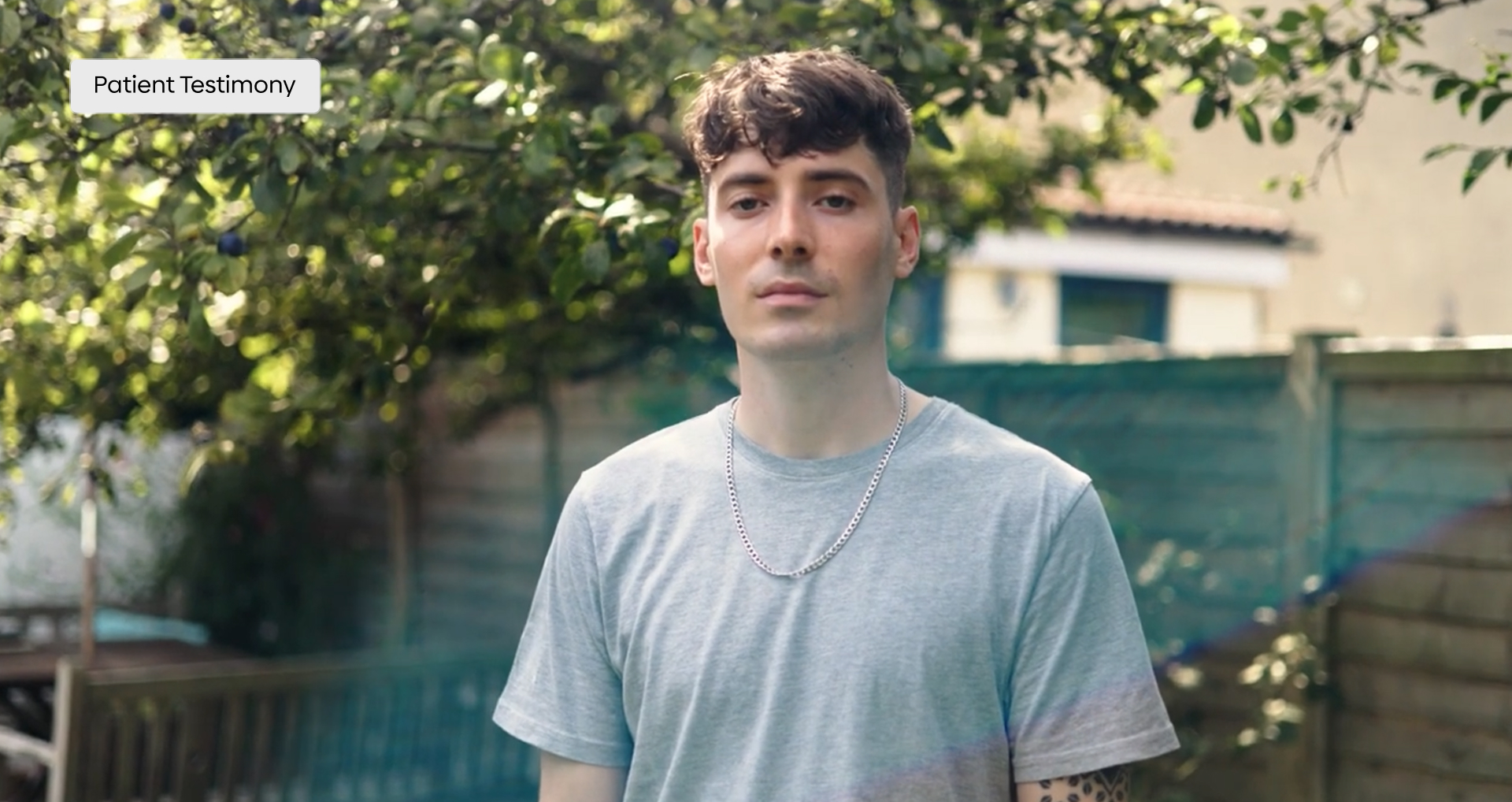
"Living with ADHD made it feel impossible to find opportunities and keep jobs once I had them. Even managing the workload of a part-time job while pursuing my passion for content creation was overwhelming. Full-time work often pushed me into cycles of burnout that ended with me either quitting or being let go. Since starting medical cannabis, I’ve regained confidence in myself and can maintain consistent work standards.”
Medical Cannabis for ADHD
In some cases where standard treatments haven’t been effective, medical cannabis may be considered for patients with ADHD.
Medical cannabis has been legal in the UK since 2018 but can only be prescribed by a specialist doctor listed on the General Medical Council’s (GMC) Specialist Register and most-typically through private clinics, such as Curaleaf.
Research Regarding Medical Cannabis and ADHD
Clinical research on medical cannabis for ADHD is limited, but real-world data is growing through patient registries and observational studies.
Real-World Evidence (UK)
- Our UK Medical Cannabis Registry collects data on patient symptoms, side effects, and quality of life over time. It is the largest registry of its kind to look at patients prescribed medical cannabis.
- A 2023 study published in Neuropharmacology Reports [4] reported patient-recorded changes in anxiety and sleep quality among individuals with ADHD over a one-year period.
- Real-world evidence helps shape future best practice.
Related Research
- Research into the dopamine system suggests it plays a central role in ADHD-related behaviours [5].
- The endocannabinoid system (ECS), which helps regulate mood, focus, and emotional balance, also interacts with dopamine pathways [6].
- This connection has led scientists to explore how cannabinoids might influence attention, sleep, and mood, though evidence remains preliminary.
Can I be Prescribed Medical Cannabis for ADHD?
Medical cannabis is not a first-line treatment for ADHD, and it isn’t suitable for everyone. But if you’ve tried conventional treatments and they haven’t worked or haven’t been well-tolerated, you can complete an eligibility assessment with Curaleaf Clinic. We’ll review your summary care records, and if appropriate, you’ll be invited to meet with one of our consultant psychiatrists who has experience in supporting patients with ADHD.
References
[1] https://digital.nhs.uk/data-and-information/publications/statistical/mi-adhd/may-2025
[2] Curaleaf Opinium Poll (2000 UK adults): 31 January 2025 – 04 February 2025
[3] The Pharmaceutical Journal: Number of adults prescribed ADHD medication rises by a quarter (2025) https://adhduk.co.uk/2025/07/25/the-pharmaceutical-journal-number-of-adults-prescribed-adhd-medication-rises-by-a-quarter/
[4] https://onlinelibrary.wiley.com/doi/10.1002/npr2.12400
[5] https://www.researchgate.net/publication/386223614