
What is Complex Regional Pain Syndrome?
Complex regional pain syndrome is characterised by persistent pain, usually affecting one limb such as an arm, hand, leg or foot. The pain is often described as burning, throbbing or stabbing and may feel disproportionate to the original injury.
People with CRPS may also experience:
- Increased sensitivity to touch or temperature
- Swelling in the affected area
- Changes in skin colour or texture
- Altered hair or nail growth
- Reduced strength or mobility
CRPS most commonly develops after an injury or surgery. While more severe injuries can increase risk, it can also occur after relatively minor injuries such as sprains. Prolonged immobilisation following injury has also been associated with an increased risk.
Complex Regional Pain Syndrome and Medical Cannabis: The Facts
20-40%
of patients with CRPS experience pain that does not respond adequately to first-line pharmacological treatments. [1]
85%
of patients experience some reduction in pain within the first two years following diagnosis, although symptoms can persist for others. [2]
What are the Symptoms of Complex Regional Pain Syndrome?
Symptoms of CRPS vary from person to person, but commonly include:
- Ongoing, severe pain
- Hypersensitivity in the affected area
- Changes in skin temperature or colour
- Swelling
- Altered hair or nail growth
- Local weakness or reduced range of movement
For some people, the condition may significantly affect mobility and independence.
What are the 3 stages of Complex Regional Pain Syndrome?
CRPS has historically been described in three stages, although not all patients progress in this way:
- Stage 1 (acute): Typically lasts 1–3 months and may include severe pain, swelling and temperature changes.
- Stage 2 (subacute): Usually lasts 3–6 months and may involve ongoing pain and early changes in skin or tissue.
- Stage 3 (chronic): May include longer-term changes to skin, muscle or bone in the affected area.
Treatment Options for Complex Regional Pain Syndrome
Treatment for CRPS often involves a combination of approaches and may include:
- Education and self-management: Support and guidance on managing symptoms.
- Physical rehabilitation: Physiotherapy to maintain mobility and reduce long-term complications.
- Pain management: Medications and specialist pain interventions, including medical cannabis where appropriate.
- Psychological support: Help coping with the emotional impact of chronic pain.
How does Complex Regional Pain Syndrome Affect People?
CRPS can have a significant impact on daily life. Persistent pain may make routine activities challenging and can affect work, sleep, and relationships.
Over time, reduced movement may contribute to muscle weakness in the affected area. Living with chronic pain can also be associated with increased stress, anxiety, or low mood.
A holistic treatment approach aims to manage both physical symptoms and the wider impact of the condition.
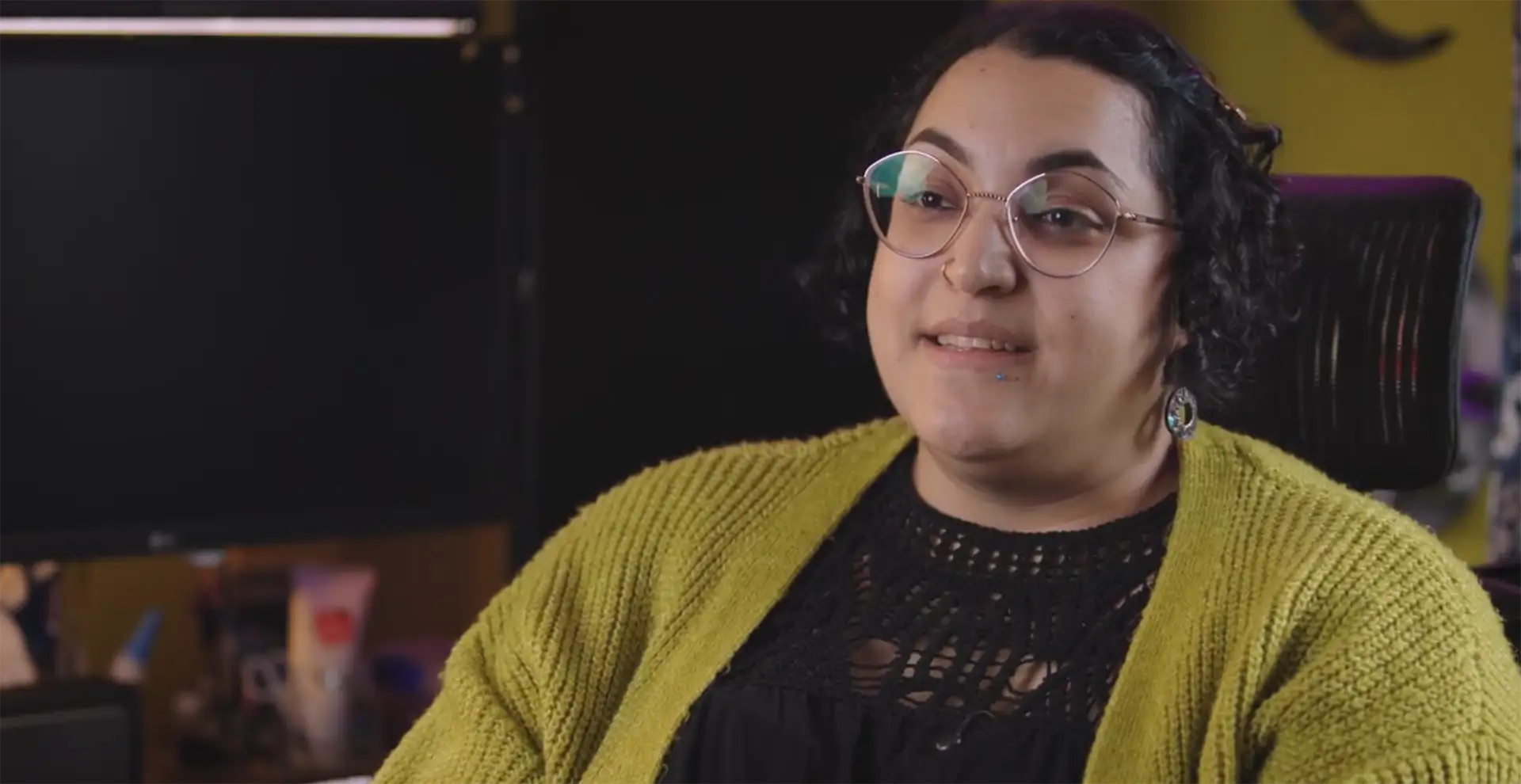
To hear from medical cannabis patients with chronic pain, like Sancharie, see below or visit our testimonial page.
"Life before medical cannabis was quite overwhelming, filled with fatigue and pain. I found Curaleaf Clinic to be a great experience – having an appointment with a pain consultant who respects and understands the conditions that you’re dealing with on a daily basis was really refreshing"
Complex Regional Pain Syndrome and Medical Cannabis in the UK
There is currently no definitive cure for CRPS. Treatment typically focuses on managing pain and improving quality of life.
Since 2018, specialist doctors listed on the GMC Specialist Register have been legally permitted to prescribe medical cannabis in the UK. Medical cannabis may be considered for patients with CRPS when other appropriate treatments have not provided sufficient relief or have caused unwanted side effects.
Prescribing decisions are made following a full clinical assessment and are tailored to the individual’s medical history and treatment response.
Research on Medical Cannabis and Complex Regional Pain Syndrome
Research specifically examining medical cannabis for CRPS remains limited. Much of the available evidence relates to cannabinoids, including tetrahydrocannabinol (THC) and cannabidiol (CBD), in the management of chronic pain more broadly.
Some clinical studies have explored how cannabinoids may influence pain perception. However, findings are mixed, and further high-quality trials are needed to better understand their role in CRPS specifically. [3]
Research from the UK Medical Cannabis Registry
Data from the UK Medical Cannabis Registry has included patients with CRPS who were prescribed medical cannabis as part of specialist care. One case series followed 64 adults with CRPS over six months after starting treatment. [4]
Researchers looked at changes in pain levels, how much pain interfered with daily activities, sleep quality, anxiety symptoms and overall quality of life. Over the follow-up period, patients reported improvements in pain severity and how much their pain affected everyday life. Some also reported changes in sleep and anxiety symptoms.
Side effects were monitored throughout the study. A small number of patients reported side effects, most commonly nausea and headaches. These were generally described as mild to moderate.
As this was an observational study, it cannot prove that medical cannabis directly caused these changes. However, it provides useful real-world information about how patients with CRPS report their symptoms while receiving treatment in specialist practice.
Can I be Prescribed Medical Cannabis for Complex Regional Pain Syndrome?
CRPS can be difficult to manage, and in certain circumstances, medical cannabis may be considered as part of a broader pain management plan. Access through the NHS for this purpose remains limited, and most patients who receive medical cannabis for CRPS do so through private clinics.
If you are exploring whether this option could be suitable for you, you can complete an initial eligibility assessment with Curaleaf Clinic. The team will review your medical history and previous treatments and, where appropriate, arrange a consultation with a pain specialist to determine whether medical cannabis is an appropriate next step.
References
[1] Elsamadicy, A. A., Yang, S., Sergesketter, A. R., Ashraf, B., Charalambous, L., Kemeny, H., Ejikeme, T., Ren, X., Pagadala, P., Parente, B., Xie, J., & Lad, S. P. (2018). Prevalence and Cost Analysis of Complex Regional Pain Syndrome (CRPS): A Role for Neuromodulation. Neuromodulation : journal of the International Neuromodulation Society, 21(5), 423–430. https://doi.org/10.1111/ner.12691
[2] The NHS. Complex Regional Pain Syndrome Treatment. Available at: https://www.nhs.uk/conditions/complex-regional-pain-syndrome/treatment/
[3] Henson JD, Vitetta L, Hall S. Tetrahydrocannabinol and cannabidiol medicines for chronic pain and mental health conditions. Inflammopharmacology. 2022 Aug;30(4):1167-1178. doi: 10.1007/s10787-022-01020-z. Epub 2022 Jul 7. PMID: 35796920; PMCID: PMC9294022.
[4] Evans, L., S. Erridge, M. Varadpande, et al. 2025. “ UK Medical Cannabis Registry: A Clinical Outcomes Analysis for Complex Regional Pain Syndrome.” Brain and Behavior 15, no. 9: 15, e70823. https://doi.org/10.1002/brb3.70823