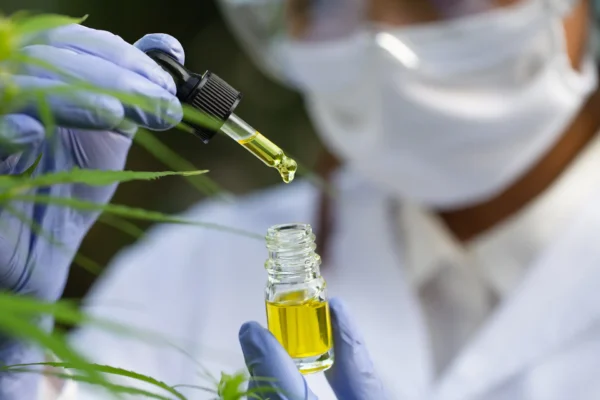

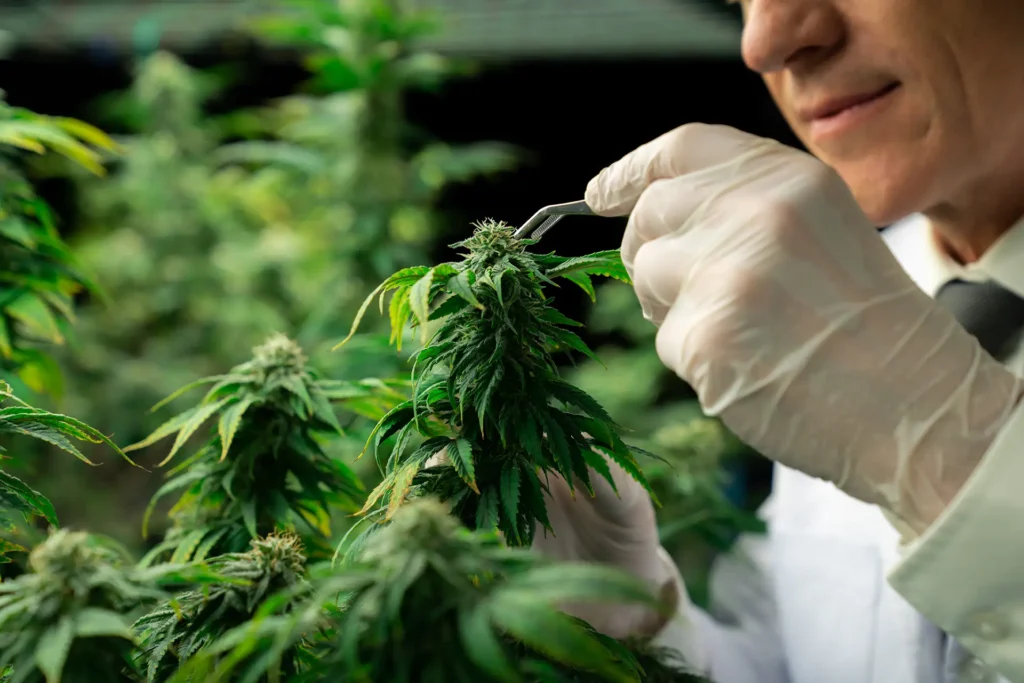
The world is currently grappling with significant public health challenges, including the widespread issue of chronic pain and persistent healthcare inequities. This has led to a crucial re-examination of therapeutic strategies, with a growing focus on ancient remedies and modern science. A comprehensive review published in Complementary Therapies in Medicine offers a strategic look at medical cannabis, exploring its journey from cultivation to clinical use and its potential to address these global health issues.
The review notes that cannabis has a well-documented history of use stretching back millennia. However, due to legal restrictions that emerged in the mid-20th century, a significant gap in scientific knowledge was created. Today, a renewed surge of interest in cannabis research is being driven by its complex chemical composition, which contains over 550 bioactive compounds, including the well-known cannabinoids. This revival of interest is justified by a need to find new ways to address chronic pain, mental health, and neurological symptoms.
A Global Perspective on Regulations and Access
Globally, the legal landscape for medical cannabis is rapidly changing but remains complex. While many countries are relaxing their laws, significant challenges and disparities persist.
- International Changes: In a landmark decision in 2020, the UN Commission on Narcotic Drugs reclassified cannabis, supporting its medical and scientific use.
- North America and Europe: Canada pioneered a centralised medical cannabis programme in 1999, and the US has 40 states and the District of Columbia legalise medical use. In Europe, countries like the UK, Netherlands, and Germany have legalised its prescription for a range of conditions. The Czech Republic has even provided insurance coverage for medical cannabis to boost patient participation.
- Africa: The continent represents a prime example of changing attitudes towards cannabis, with countries like South Africa, Lesotho, and Zambia having either legalised recreational use or relaxed laws for medicinal cultivation. This has significant economic potential, with projections for the legal African cannabis market reaching billions of US dollars by 2023.
Despite these positive trends, the review notes that some regions, particularly in Asia and the Middle East, still have strict prohibitions. This global disparity in policy affects patient access and can have severe consequences. A “pain divide” exists where the wealthiest 10% of countries consume 90% of the world’s opioid supply, leaving those in low- and middle-income countries with inadequate access to pain relief.
The “Farm to Bedside” Roadmap: The CORE Framework
To ensure that medical cannabis is developed and used responsibly to address these challenges, the review proposes a strategic framework called CORE, which stands for:
Care, Outreach, Research, and Education. This approach aims to bridge the gap between initial cultivation and its safe delivery to patients.
- Care: The review suggests that evidence-based cannabis products could offer an accessible option for chronic pain, helping to reduce reliance on opioid medications.
- Outreach: Collaborative platforms, such as the Global Health Catalyst (GHC) summits, are crucial for engaging diverse stakeholders—from farmers and policymakers to healthcare professionals and researchers. These discussions are essential for shaping informed policies and reducing global health disparities.
- Research: New regulations are facilitating a surge in research collaborations. The review highlights the importance of real-world evidence, such as that collected by the UK Medical Cannabis Registry and studies from institutions like Imperial College London, to inform clinical trials and establish safe and effective products.
- Education: Education is vital for overcoming stigma and misconceptions. The review stresses the importance of educating clinicians, pharmacists, and the public on the science, pharmacology, and legal aspects of medical cannabis. This knowledge helps healthcare providers to offer tailored, patient-centred care and allows patients to make informed decisions about their treatment.
Conclusion
The journey of medical cannabis “From Farm to Bedside” is a complex but promising one. By implementing strategic frameworks and fostering collaboration, its potential can be harnessed. New regulations and a surge in scientific interest are creating an unprecedented opportunity to develop a robust, evidence-based medical cannabis industry.
Disclaimer: This blog post is for informational purposes only and is based on a specific clinical review. It is not medical advice. The efficacy and safety of medical cannabis have not been established. Patients should always consult a qualified healthcare professional before making any decisions about their treatment.