

Terpenes are the natural compounds that give cannabis its smell and flavour. They may also help shape how cannabis-based medicines affect the body. This plain-English guide explains what terpenes are, what they do, and why your clinician may consider them when choosing a medicine for an eligible patient.
At a Glance: Terpenes Explained
- Terpenes are natural compounds found in cannabis and many other plants, including lavender, lemon peel, pine needles and black pepper.
- More than 144 different terpenes have been identified in cannabis. Each cannabis variety (or “cultivar”) has its own unique terpene profile.
- Early research suggests terpenes may work alongside cannabinoids such as THC and CBD to influence the effects of medical cannabis. This idea is known as the “entourage effect.”
- More clinical research in humans is needed before it can be said with certainty if terpenes affect treatment.
What are Terpenes?
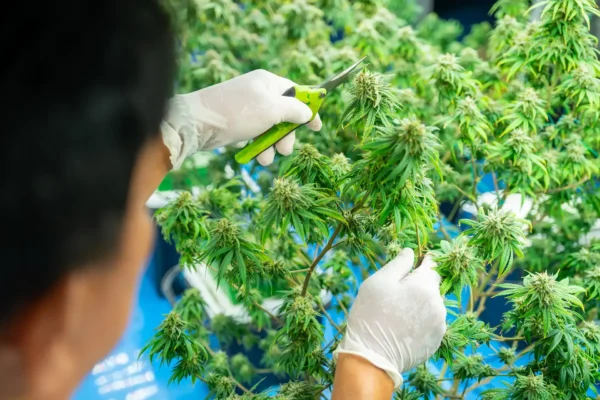
Terpenes are natural, aromatic compounds found in many plants. In cannabis, they are made in tiny resin glands called trichomes on the surface of the flower. These are the same parts of the plant that produce cannabinoids such as tetrahydrocannabinol (THC) and cannabidiol (CBD).
Terpenes are what you smell when you crush a sprig of rosemary, peel an orange or open a jar of cannabis flower. After cannabinoids, terpenes are the second most common type of compound in the cannabis plant. Scientists have so far identified more than 144 different terpenes in cannabis
Terpenes Meaning: A Simple Definition
In simple terms, “terpenes” means a large family of aromatic plant compounds that give plants their characteristic smell and taste. They are found across the plant kingdom — from herbs and citrus fruits to conifer trees — and are not unique to cannabis.
What do Terpenes Do?
In nature, terpenes help plants survive. They can put off pests, attract helpful insects, and protect plants from heat and harmful sunlight. The smell of pine trees and the aroma of lavender are all due to terpenes.
In medical cannabis, terpene profiles help researchers and clinicians tell cultivars apart. They may also influence how each cannabis-based medicine affects patients, although this is an area which requires further research.
Do Terpenes have Therapeutic Benefits?
Early research suggests that some terpenes found in cannabis may have therapeutic potential. Laboratory studies have linked certain terpenes to anti-inflammatory, antioxidant, antiviral and digestive-supporting properties [2]. However, most of this work has been done in cells or animals rather than in people. More clinical research in humans is needed before we can say how terpenes affect health outcomes.
Are Terpenes Psychoactive?
Psychoactive substances are compounds that affect how the brain works, influencing mood, perception, thoughts, or behaviour. Terpenes are not intoxicating, but pre-clinical studies do suggest that they may have effects on mood, anxiety and sleep [3].
How do Terpenes Work?
Terpenes are considered bioactive compounds, meaning they can interact with the body in ways that may influence mood, sensation, and other physiological processes. In medical cannabis, terpenes are thought to contribute to the plant’s aroma, flavour, and overall effects.
Researchers are continuing to study how terpenes work in the body, including how they may interact with receptors and signalling systems involved in smell, taste, and other sensory responses.
Do Terpenes Interact with the Endocannabinoid System?
Yes, research suggests terpenes found in medical cannabis may interact with the body’s endocannabinoid system – a network of receptors involved in regulating functions such as mood, sleep, pain, appetite, and memory.
Cannabinoids such as THC and CBD interact more directly with cannabinoid receptors known as CB1 and CB2. Researchers believe terpenes may influence how these receptors respond to cannabis, which could affect how medical cannabis makes a person feel or respond to treatment.
This theory forms part of the “entourage effect”, where cannabinoids and terpenes may work together to enhance or modify each other’s effects within the body.
Cannabis Terpenes and Their Effects
The terpene content of cannabis can vary between different cannabis strains. Factors like genetics, soil quality, light, temperature, and the plant’s growth stage all play a role. For example, plants in their flowering stage often produce more terpenes, leading to stronger aromas.
Although thousands of terpenes have been identified in nature, cannabis contains particularly high concentrations of certain terpenes. Below are some of the most common terpenes found in cannabis and the characteristics they are commonly known for.

Limonene
If you’ve ever noticed a citrusy scent in a strain, limonene is likely behind it. Found in the rinds of lemons and oranges, this terpene is thought to have potential anti-inflammatory and antioxidant properties, though research is still in its early stages.
Pinene
Pinene, as the name suggests, is commonly found in pine needles and other plants like rosemary and basil. It has a fresh, woody scent. Some research also points to anti-inflammatory and antimicrobial properties.
Linalool
Linalool gives lavender its calming aroma, making it a staple in aromatherapy. In cannabis, it’s linked with potential anti-anxiety and anti-inflammatory effects. It might also offer neuroprotective benefits, though more research is needed to understand how it works.
Myrcene
Myrcene is known for its earthy, musky scent. It’s also found in hops and lemongrass. Research suggests it may help reduce inflammation and protect tissues from oxidative damage, but these findings are based on high concentrations not typically consumed through regular cannabis use.
Beta-Caryophyllene
This terpene is present in spices like black pepper and cloves. It interacts with the body’s endocannabinoid system, potentially seen as the best terpene for pain relief alongside its anti-inflammatory effects. Some researchers are exploring its potential for chronic pain as it has been shown to affect the transmission of pain signals along nerves in laboratory studies.
Humulene
Humulene is found in hops, cloves, and ginger with a distinctive earthy and spicy aroma. Early studies suggest it might affect pathways of inflammation associated with allergy and asthma. Its potential anti-cancer properties are also being explored, though this research and studies on inflammation is still in its infancy.
Can Terpenes be Used for Medical Purposes?
Terpenes have been used in traditional medicine and aromatherapy for centuries. In medical cannabis, researchers are studying how terpenes may work alongside cannabinoids such as THC and CBD.
The question they are exploring is whether terpenes shape the overall effects of treatment.
Different cannabis-based medicinal products can contain very different terpene profiles. This is one reason two cultivars with similar THC and CBD content can smell, taste and feel different. Clinicians may look at the terpene profile alongside cannabinoid levels, your symptoms and your medical history. This helps them discuss whether medical cannabis may be right for you.
If you are considering medical cannabis treatment, a specialist clinician can help you understand whether medical cannabis may be appropriate for your individual needs. Check your eligibility for a consultation online, by completing our online form and sharing your medical records.
What research cannot tell us about terpenes
Most evidence on terpenes so far comes from laboratory studies in cells, or from animal studies. Only a small number of clinical trials have looked specifically at terpene effects in people.
This means:
- We cannot yet say with certainty whether terpenes change how a person responds to medical cannabis.
- Findings on individual terpenes in cells or animals may not translate to humans.
- Many laboratory studies use much higher doses than would be present in a typical cannabis-based medicine.
Researchers continue to study terpenes carefully. Until more clinical trials in people are completed, claims about specific terpene effects in patients should be treated with caution.
Conclusion
Terpenes are a fascinating part of what makes the cannabis plant so complex, and research into their potential continues to evolve.
To read more about the role of terpenes in cannabis, take a look at our guide examining how terpene profiles can help us better understand cannabis classifications.
References
[1] Radwan, M.M., Chandra, S., Gul, S. and ElSohly, M.A. (2021). Cannabinoids, Phenolics, Terpenes and Alkaloids of Cannabis. Molecules, 26(9), p.2774. https://doi.org/10.3390/molecules26092774. Available Online: https://www.mdpi.com/1420-3049/26/9/2774
[2] Cox-Georgian, D., Ramadoss, N., Dona, C., & Basu, C. (2019). Therapeutic and Medicinal Uses of Terpenes. Medicinal Plants: From Farm to Pharmacy, 333–359. https://doi.org/10.1007/978-3-030-31269-5_15
[3] Sommano, S. R., Chittasupho, C., Ruksiriwanich, W., & Jantrawut, P. (2020). The Cannabis Terpenes. Molecules (Basel, Switzerland), 25(24), 5792. https://doi.org/10.3390/molecules25245792