
A medical cannabis strain refers to the specific variety of the cannabis plant used to produce cannabis-based medicines. Strains, also known as cultivated varieties or cultivars, are defined by their chemical makeup, including cannabinoids, terpenes, and flavonoids, which can influence how a medicine may affect a patient.
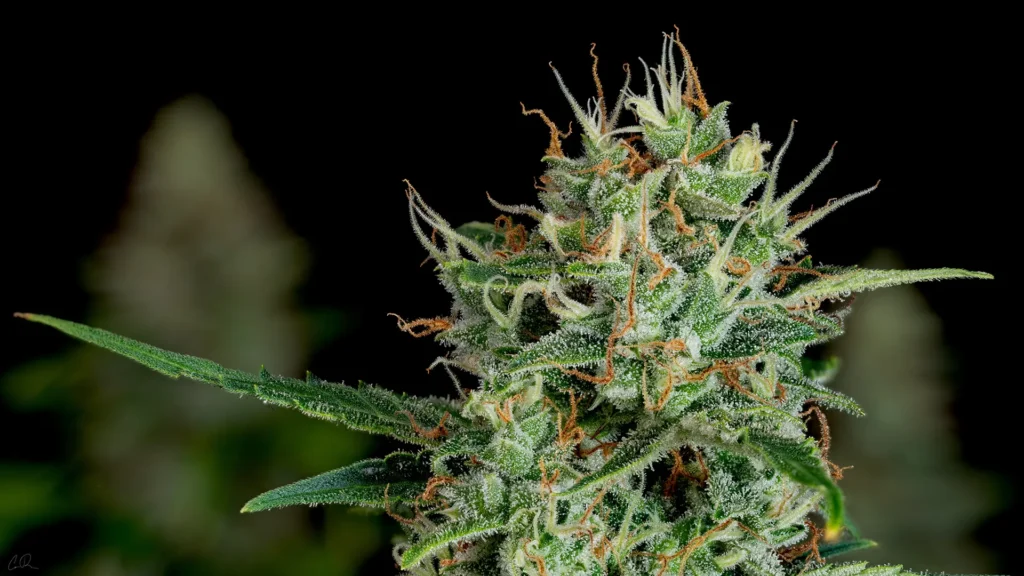
Medical cannabis is commonly grouped into three main strain types: indica, sativa, and hybrid. These terms are based on the plant’s genetic and physical characteristics, as well as traditional associations with certain effects.
However, current scientific evidence suggests that these labels alone are not reliable predictors of how a cannabis product will affect an individual. Research shows that a product’s cannabinoid and terpene profile, rather than whether it is labelled indica or sativa, plays a much greater role in determining its potential therapeutic effects.
For this reason, clinicians at Curaleaf Clinic do not base treatment decisions solely on indica or sativa classifications. Instead, these terms may be used as a helpful starting point when discussing a patient’s goals, preferences, and previous experiences.
There are hundreds of recognised cannabis strains, many of which are hybrids developed through selective breeding of the cannabis flower.
Medical cannabis is not a panacea, and it will not be the right option for everyone. Similarly, each medical cannabis product may not be appropriate for all individuals. The most appropriate medication for an individual is determined by a full clinical assessment to understand the condition in full and previous response to treatment.
Some patients may experience side effects from medical cannabis, such as dry mouth, dizziness, sleepiness, or fatigue.
Report any side effects as soon as possible, either with your specialist during your appointment, via your Curaleaf Clinic online account under ‘Report’ or by reaching out to the team via [email protected] .
Please answer the following questions.