What is Autism?
Autism is a neurodevelopmental condition associated with differences in brain development and function. It can affect communication, social interaction, and sensory processing, with experiences varying widely from person to person.
Some individuals with autism may find social communication or sensory-rich environments challenging, while others may require little or no additional support. The needs of people with autism differ significantly, and levels of support can range from occasional assistance to more ongoing care.
Autism and Medical Cannabis: The Facts
227,813
patients in the UK had an open NHS referral for suspected autism as of September 2025 [1]
68%
of people with autism also experience symptoms of anxiety and depression [2]
What Causes Autism?
There is no single known cause of autism. Current evidence suggests that a combination of genetic and environmental factors may contribute to its development.
Research has identified differences in brain structure and activity in some people with autism. However, it is not clear whether these differences contribute to autism or develop as part of the condition.
Autism is more commonly diagnosed in individuals assigned male at birth, and studies have also shown a higher prevalence among children born with very low birth weight.
Some individuals with autism may find social communication or sensory-rich environments challenging, while others may require little or no additional support. The needs of people with autism differ significantly, and levels of support can range from occasional assistance to more ongoing care.
What are the Symptoms of Autism?
Signs of autism can become apparent in early childhood, sometimes from around 12 months of age, though they may also be identified later in life. Autism presents differently in each individual, and symptoms can vary widely in type and intensity.
Common characteristics associated with autism may include:
- Differences in language, movement, learning, or cognitive development, which may occur alongside strengths or advanced abilities in other areas
- Restricted or repetitive behaviours or interests
- Hyperactivity and impulsiveness
- Lack of concentration or focus
- Unusual sleeping or eating habits
- Atypical mood or emotional reactions
- Interests or difficulties with different sensations (i.e. light, touch, smell etc.)
- Increased levels of anxiety, stress, or excessive worry
- Differences in perception of risk, including reduced awareness of danger or heightened fear responses
How Are People Diagnosed with Autism?
An autism diagnosis is usually made following a comprehensive assessment by a healthcare professional qualified in its assessment. This typically involves detailed discussions about behaviour, development, and experiences, and may include questionnaires or self-reported information.
In the past, clinicians often categorised people into specific subtypes of autism. Today, autism is understood as a spectrum, with experiences varying widely between individuals, and these distinctions are less commonly used.
For children, diagnosis is based on patterns of development and behaviour and may involve structured assessment tools such as:
- Autism Diagnostic Observation Schedule (ADOS)
- Diagnostic Interview for Social and Communication Disorders (DISCO)
- Autism Diagnostic Interview – Revised (ADI-R)
Treatment Options for Autism
Support for autistic people is individualised and focuses on addressing specific needs where appropriate. While early support can be beneficial for some, particularly approaches involving families or caregivers, many autistic people do not require medical treatment and can lead fulfilling, successful lives without intervention.
Where support is needed, it is guided by the person’s individual experiences and circumstances and may include:
- Behavioural, educational, and school-based support
- Family support, guidance, and education
In some cases, medication may be considered to help manage specific co-occurring symptoms or conditions. This may include:
- Antidepressants or anti-anxiety medicines
- Medications used to help manage irritability or agitation
- Stimulant medicines where autism coexists with attention-deficit/hyperactivity disorder (ADHD)
- Anticonvulsant medicines for individuals who experience seizures
In some cases, cannabis-based medicinal products may also be considered as part of a broader care plan, under specialist medical supervision.
How does Autism Affect People?
The interaction between autism and a neurotypical environment can affect people in different ways. For some individuals, certain symptoms or co-occurring conditions, such as anxiety or depression, can have a meaningful impact on daily life.
In situations where other approaches have not been effective or suitable, some people may explore medical cannabis as part of their wider care, under specialist medical supervision.
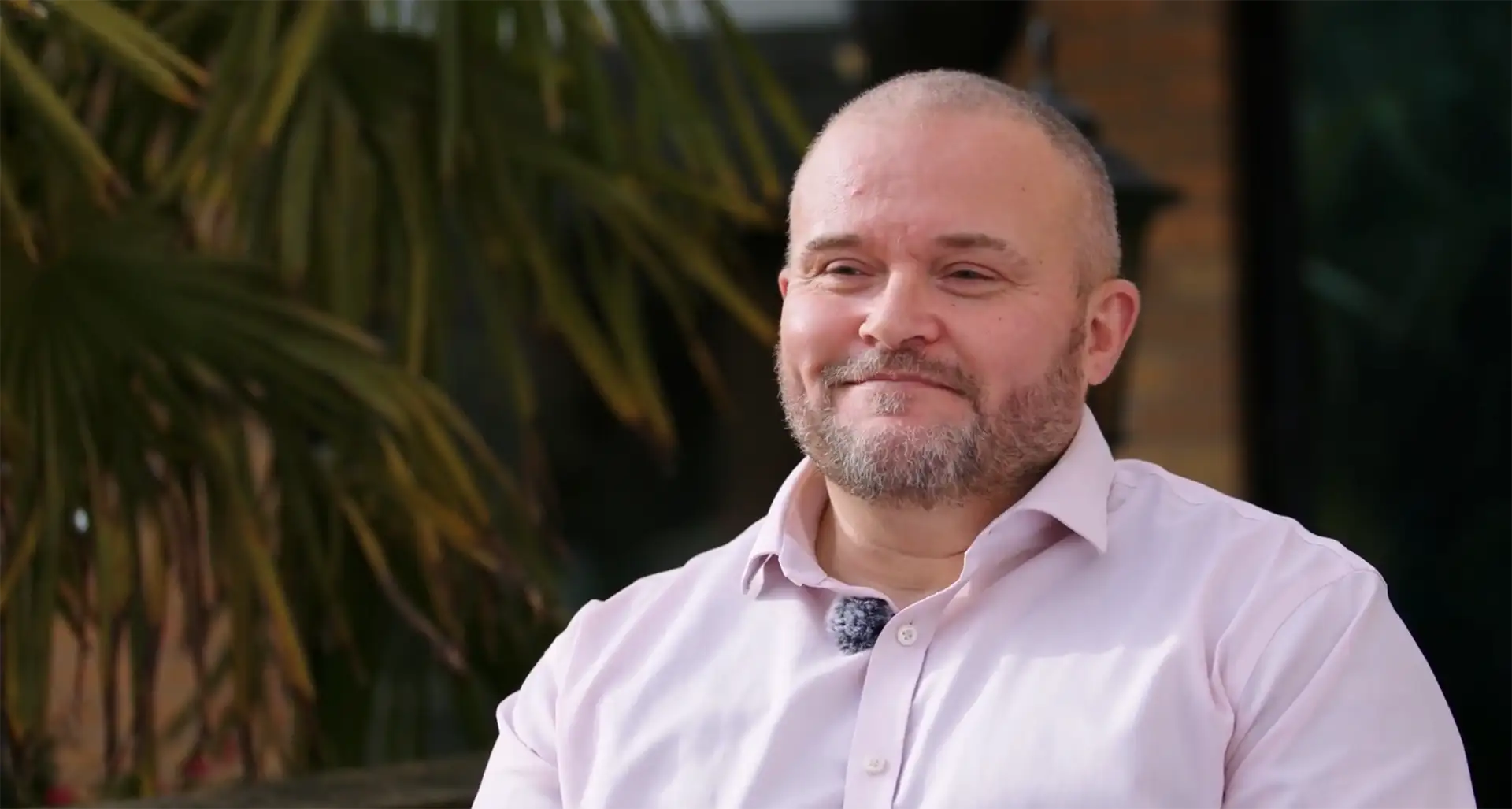
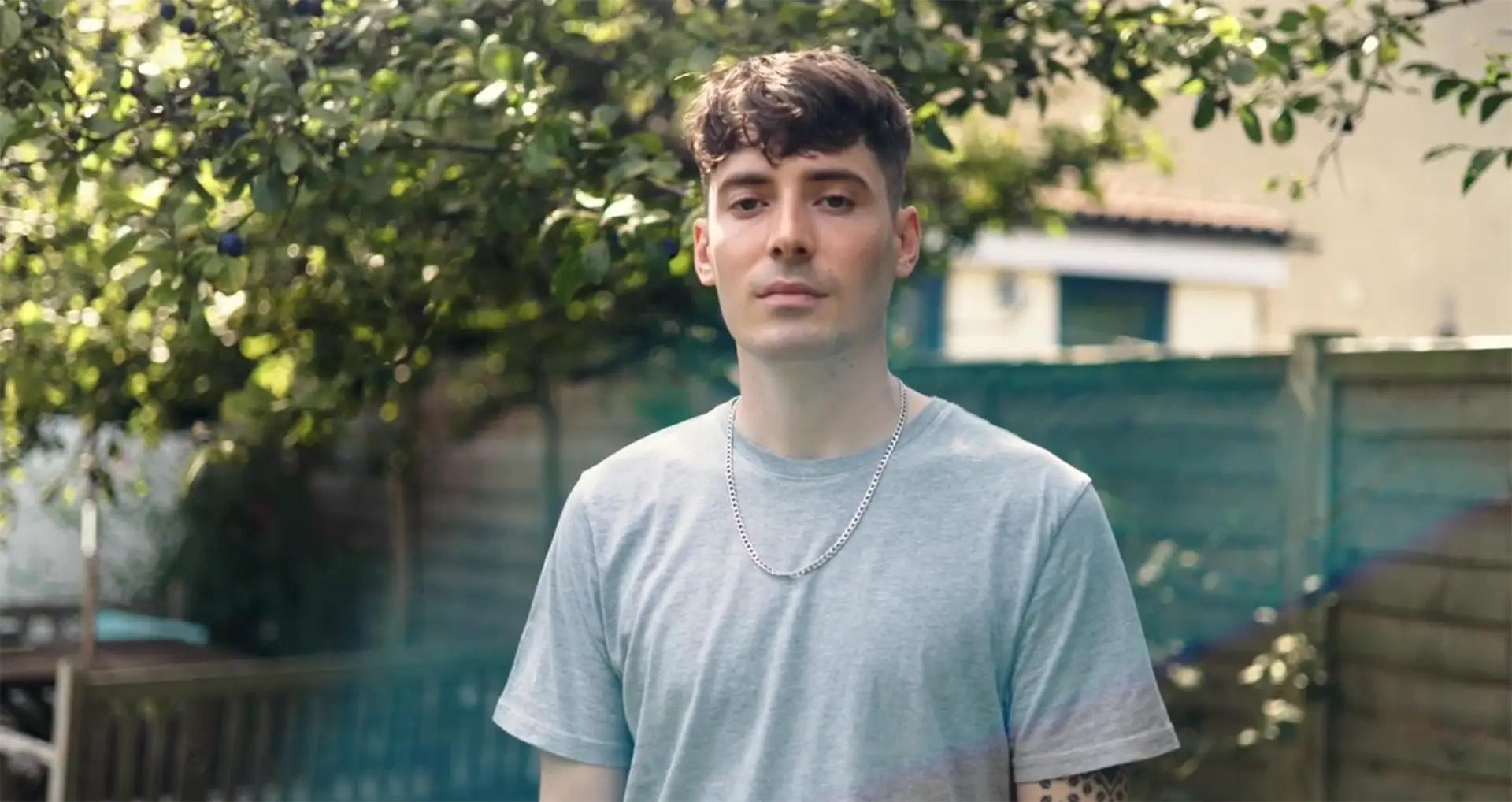
Curaleaf Clinic shares patient experiences across a range of conditions to provide insight into how medical cannabis is used in routine clinical practice. You can explore these patient stories on our testimonials page.

Medical Cannabis for Autism
In some circumstances, medical cannabis may be considered for eligible patients to help manage specific symptoms associated with autism, such as anxiety, restlessness, or low mood, particularly where other approaches have not been suitable or effective.
The aim of treatment is not to cure autism itself, but to support individuals in managing troublesome symptoms that may impact daily life. Medical cannabis, where prescribed, is considered within this context and as part of an individualised care plan.
Medical cannabis has been legally prescribable in the UK since 2018. However, more clinical evidence relating to its use in autistic people is needed.
Research Regarding Medical Cannabis and Autism
Research into the use of medical cannabis for autism-related symptoms is ongoing. Much of the current evidence comes from observational studies and real-world data, which help inform understanding of how cannabis-based medicinal products may be used in clinical practice.
How Might Medical Cannabis Affect Autism-Related Symptoms?
The effects of medical cannabis can vary depending on the individual and the specific symptoms being addressed.
Our UK Medical Cannabis Registry, the largest database of medical cannabis patients in the UK, collects real-world outcomes from patients prescribed medical cannabis. A 2022 observational study using Registry data [2] reported improvements in health-related quality of life among 74 patients with autism-related symptoms after six months of treatment. Reported changes included anxiety, sleep, and overall wellbeing.
During the same period, a reduction in the use of some other prescribed medicines was observed, including a 25% reduction in antipsychotic prescriptions.
The Registry also records adverse events. In this study, 18.9% of participants reported mild to moderate side effects, most commonly dizziness and fatigue.
How Might Medical Cannabis Affect Autism-Related Symptoms?
A separate observational study of Canadian adults who regularly used medical cannabis for autism-related symptoms examined whether patient or treatment factors influenced reported symptom changes. Older participants reported greater changes in symptoms than younger individuals.
More frequent use was associated with changes in areas such as repetitive behaviours, emotional regulation, and mental control. However, the concentration of tetrahydrocannabinol (THC) and cannabidiol (CBD) did not appear to be a significant predictor of changes across symptom groups.
As this study relied on self-reported and observational data, the findings may not apply to all individuals. There remains a lack of large-scale controlled clinical trials, which are vital for our understanding of its use.
Can Medical Cannabis be Prescribed for Autism in the UK?
Medical cannabis may be considered for managing certain symptoms which are common in autistic people where other treatments have not provided sufficient benefit or have caused problematic side effects. Access through the NHS is very limited, meaning most patients who are prescribed medical cannabis do so through private clinics.
In the UK, treatment can only be initiated by a specialist doctor listed on the GMC’s Specialist Register. If you are exploring whether medical cannabis may be appropriate, you can complete an initial eligibility assessment with Curaleaf Clinic. We will review your medical and specialist records and, where appropriate, invite you to meet with a consultant psychiatrist.
Medical cannabis may be considered for managing certain symptoms which are common in autistic people where other treatments have not provided sufficient benefit or have caused problematic side effects. Access through the NHS is very limited, meaning most patients who are prescribed medical cannabis do so through private clinics.
In the UK, treatment can only be initiated by a specialist doctor listed on the GMC’s Specialist Register. If you are exploring whether medical cannabis may be appropriate, you can complete an initial eligibility assessment with Curaleaf Clinic. We will review your medical and specialist records and, where appropriate, invite you to meet with a consultant psychiatrist.